What is a Chemical Peel?
A chemical peel is a medical skin-resurfacing procedure that uses a specialized chemical solution to remove the damaged top layers of the skin. By stripping away these outer layers, the treatment stimulates the growth of new, healthy skin, resulting in a smoother and more rejuvenated appearance.
Chemical peels are generally categorized into three levels of intensity, each targeting specific layers of the skin to achieve different results:
- Superficial (Light) Peels: As the gentlest option, these peels utilize mild acids like alpha-hydroxy acid to exfoliate only the skin’s outermost surface. They are ideal for refreshing skin texture and correcting minor pigment issues with minimal downtime.
- Medium Peels: These treatments use stronger agents, such as glycolic or trichloroacetic acid (TCA), to penetrate through the outer layer and into the middle layers of the skin. They are effective for removing damaged cells to address more visible wrinkles, moderate sun damage, and rougher textures.
- Deep Peels: Reaching the deep middle layers of the skin using phenol or high-strength trichloroacetic acid, these peels provide the most dramatic transformations. They are used to treat significant scarring, deep lines, and freckles. Due to their extreme intensity, deep peels are typically a once-in-a-lifetime procedure.
How Does a Chemical Peel Work?
A chemical peel works by inducing a controlled chemical injury to the skin. Instead of damaging the skin haphazardly, the acidic solution targets specific layers to trigger a biological “wound-healing cascade.”
Here is the step-by-step breakdown of the biological process:
1. Breaking the “Cellular Glue”
The primary action of the chemical solution (such as Glycolic or Salicylic acid) is chemoexfoliation. It dissolves the intercellular lipids, the “glue” that holds dead, damaged skin cells together. This allows the dull, outer layer of the stratum corneum to detach and eventually shed.
2. Protein Denaturation (The “Frosting”)
For medium and deep peels, the chemicals cause keratocoagulation. This is a process where the proteins in your skin cells are neutralized or “cooked” by the acid.
This often appears as a white, chalky coating on the skin called “frosting,” which indicates that the solution has reached the intended depth in the dermis.
3. The Inflammatory Response
Once the acid penetrates, it triggers the release of pro-inflammatory cytokines. This isn’t “bad” inflammation; it’s a signal to your body that the skin needs to be repaired. This signal:
- Increases blood flow to the area (causing temporary redness).
- Recruits white blood cells to clear away damaged tissue.
4. Neocollagenesis (Collagen Remodeling)
As the skin enters the “proliferative phase” of healing, fibroblasts (the cells responsible for skin structure) are activated. They begin neocollagenesis, the production of fresh collagen and elastin fibers.
This is why chemical peels don’t just “clean” the surface; they actually thicken the deeper layers of the skin, making it firmer and more elastic over time.
5. Rapid Cell Turnover
By removing the old surface, the peel forces the “basal layer” (the skin’s factory at the bottom of the epidermis) to work overtime. It produces new, healthy keratinocytes at an accelerated rate, replacing the old, pigmented, or scarred cells with a fresh, uniform layer of skin.
What Can Chemical Peels Be Used For?
Beyond standard cosmetic enhancement, chemical peels are used to address a wide range of aesthetic and medical skin concerns, including:
- Aging and Texture: Reducing fine lines, wrinkles, and rough skin.
- Tone and Clarity: Treating uneven skin tone, rosacea, and scarring.
- Medical Benefits: Addressing specific skin conditions and even removing precancerous growths.
What Can I Expect During and After the Chemical Peel Procedure?
A chemical peel procedure varies significantly depending on the depth of the treatment. Here is a breakdown of what the experience looks like from preparation to recovery.
1. Before the Procedure
Treatments are typically performed in a clinical office or outpatient facility. Your provider will begin by thoroughly cleansing your skin and protecting sensitive areas, such as your hair and eyes, using goggles, gauze, or specialized ointments.
Regarding pain management, light peels usually require no anesthesia. Medium peels may involve a sedative or painkiller, while deep peels often require local numbing, sedation, and IV fluids.
2. During the Procedure
The application process changes based on the intensity of the acid:
- Light Peel: A solution (like glycolic or salicylic acid) is brushed onto the skin. You may feel a slight stinging sensation. The acid is eventually neutralized or washed away.
- Medium Peel: Trichloroacetic acid (TCA) is applied, causing the skin to “whiten” or frost. Cooling compresses or fans are used for comfort. No neutralizing wash is required, but you may feel burning for about 20 minutes.
- Deep Peel: Phenol is applied in sections over roughly 90 minutes to limit chemical exposure. Your heart rate is monitored via IV, and the skin will turn white or gray.
3. After the Procedure (Recovery)
Regardless of the depth, expect some degree of redness, tightness, and irritation.
Crucial Rule: Do not pick, rub, or scratch the peeling skin, and strictly follow sun protection protocols.
| Feature | Light Peel | Medium Peel | Deep Peel |
|---|---|---|---|
| Healing Time | 1 to 7 days | 7 to 14 days | Approximately 2 weeks |
| Appearance | Red and dry, similar to a mild sunburn. | Redness, swelling, and eventual crusting or brown blotches. | Severe swelling (eyes may swell shut) and throbbing. |
| Aftercare | Protective ointment (like petroleum jelly). | Ice packs and OTC pain relief; follow-up checkups. | Surgical dressings, prescribed painkillers, and daily skin soaks. |
| Makeup | Can be worn the next day. | Can be worn after 5–7 days. | Can be worn after about 2 weeks. |
Long-Term Expectations
While new skin usually appears within two weeks for deeper peels, lingering redness can persist for several months. The final results, including improved texture, tone, and clarity, will become fully visible once the skin color has completely returned to normal.
Who is a Good Candidate for a Chemical Peel?
Chemical peels are primarily used to revitalize the complexion, creating a more uniform appearance and reversing visible signs of aging. Beyond cosmetic enhancement, the procedure is a valuable tool for medical skin regeneration.
Common Reasons for Treatment:
- Acne & Scarring: Improving active acne and smoothing out lingering scars.
- Pigmentation Issues: Fading age spots, freckles, melasma, and general hyperpigmentation.
- Texture & Aging: Softening fine lines around the mouth and eyes, as well as smoothing dry, rough patches.
- Medical Concerns: Managing rosacea and removing precancerous lesions (actinic keratosis).
Important Considerations & Contraindications
While highly effective, a chemical peel may not be suitable for everyone. You may be advised against this procedure if:
- You have used oral acne medications (like isotretinoin) within the past six months.
- You are prone to developing keloids (large, raised scar tissue).
- You are currently pregnant.
- You have severe scarring or very deep wrinkles, in which case your doctor might suggest an alternative resurfacing method.
Benefits of Chemical Peel
Chemical peels offer a broad spectrum of benefits, ranging from immediate surface-level “glow” to long-term structural improvements in the skin. Because the treatment stimulates natural healing, the benefits continue to develop as your skin produces new collagen.
Based on the clinical standards of Penn Medicine and Davis Facial Surgery, here are the primary benefits:
1. Refined Texture and Tone
- Smoother Skin: By dissolving the “glue” that holds dead cells to the surface, peels instantly soften rough or dry patches.
- Radiant Complexion: Removing the dull, outer layer of the epidermis reveals fresher skin that reflects light better, creating a natural “brightening” effect.
- Pore Reduction: Deep cleaning the follicles can help pores appear smaller and more refined.
2. Correction of Aging and Sun Damage
- Fine Lines & Wrinkles: Peels stimulate neocollagenesis (the production of new collagen), which helps plump the skin and reduce the appearance of lines around the eyes and mouth.
- Hyperpigmentation: They are highly effective at fading age spots, sun damage, freckles, and melasma by shedding pigmented cells and encouraging even-toned growth.
3. Treatment of Acne and Scarring
- Acne Control: Certain acids (like Salicylic acid) penetrate deep into the pores to clear blockages and reduce oil production.
- Scar Revision: Medium and deep peels can significantly soften the appearance of acne scars and other minor surface irregularities by “leveling” the skin’s surface.
4. Medical and Preventive Benefits
- Actinic Keratosis: Peels can be used to remove precancerous skin growths, potentially preventing them from developing into skin cancer.
- Rosacea Management: Mild peels can help reduce the redness and bumps associated with certain types of rosacea.
5. Enhanced Product Efficacy
- Better Absorption: By removing the barrier of dead skin cells, your daily skincare products (serums, moisturizers, and prescriptions) can penetrate deeper and work more effectively.
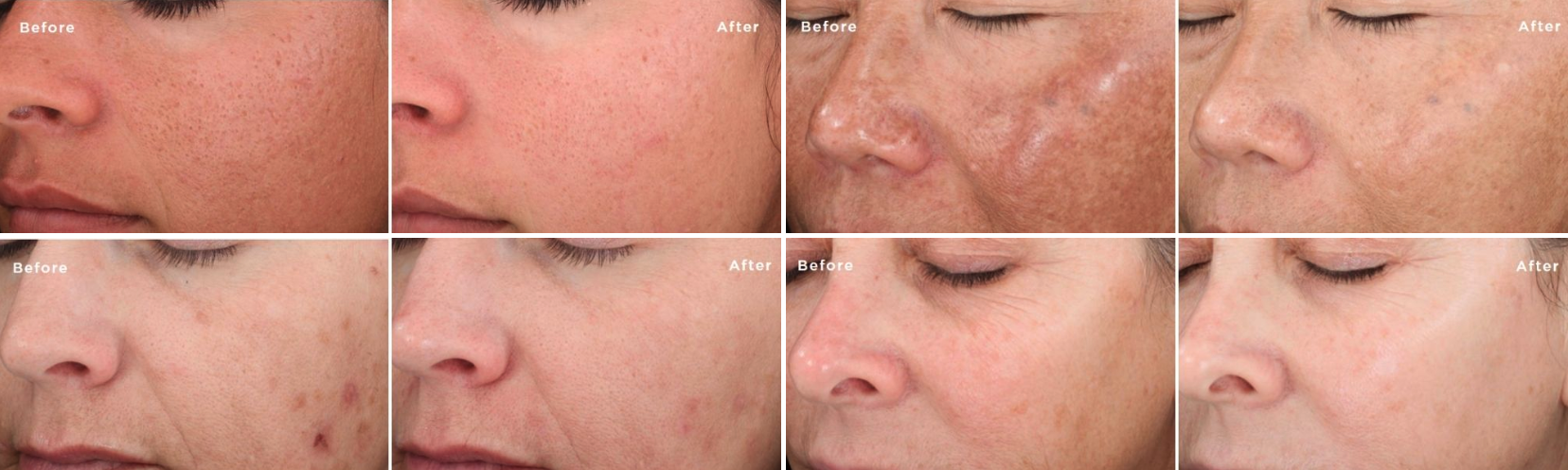
Chemical Peel Before and After Photos
Why Choose Health + Glow for Chemical Peels?
At Health + Glow, we offer three different peel options:
- Illuminize Peel
- Vitalize Peel
- Rejuvenate Peel
The Illuminize Peel by SkinMedica helps you achieve a more youthful, glowing complexion with minimal interruption to your busy lifestyle. It is a light peel and is perfect for mild skin imperfections.
The Vitalize Peel by SkinMedica is a medium-depth peel that helps diminish the appearance of fine lines and wrinkles. It also addresses hyperpigmentation, sun damage, and minor scarring. Since the Vitalize Peel is deeper, it requires more downtime than the Illuminize Peel.
The Rejuvenate Peel by SkinMedica is a deep peel used to smooth the appearance of fine lines and wrinkles. Most patients see noticeable improvements after just one peel. The results continue to get better with each peel, with most patients seeing compelling results after three to six peels.
Frequently Asked Questions
Chemical peels can improve the appearance of:
- Sun damage and hyperpigmentation
- Acne
- Acne scars
- Age and liver spots
- Unwanted freckles
- Uneven skin tone
- Poor skin texture
- Dull, dehydrated skin
- Rosacea
- Fine lines and wrinkles
Using sun protection and appropriate skin care products containing specialty ingredients is essential in maintaining healthy skin.
Lines and wrinkles are caused by degenerative changes in the proteins of the skin’s infrastructure, such as loss of stored antioxidants and reduction in collagen. Wrinkles are also caused by the movement of the skin, resulting in creases over time.
From anti-aging to skin resurfacing, chemical peels are a safe and effective treatment plan for almost anyone. An experienced provider can recommend an acid solution with the strength and depth best suited to your concerns and skin type.
Those with Fitzpatrick Skin Types III–IV may be especially interested. A 2018 study reveals that adverse reactions after such peel treatments are extremely rare, fewer than 4% of cases!
Age spots are also known as sun spots or solar lentigines. Age spots are associated with cumulative sun exposure. Sun spots mostly appear in areas consistently exposed to sunlight, such as the back of the hands, the forearms, neck, chest, and face. The pigment-producing cells in the skin (melanocytes) are stimulated to produce more pigment when exposed to ultraviolet rays.
Photodamage to the skin is caused by exposure to harmful ultraviolet light. Photodamage can be acute, as in sunburn, or more commonly, chronic, due to gradual changes in the skin caused by an accumulation of sun exposure throughout one’s life. Sun exposure is by far the most influential environmental factor affecting the aging of the skin.
Other Med Spa Services

Custom Facial

DiamondGlow®

AquaGold
Meet Your Doctor
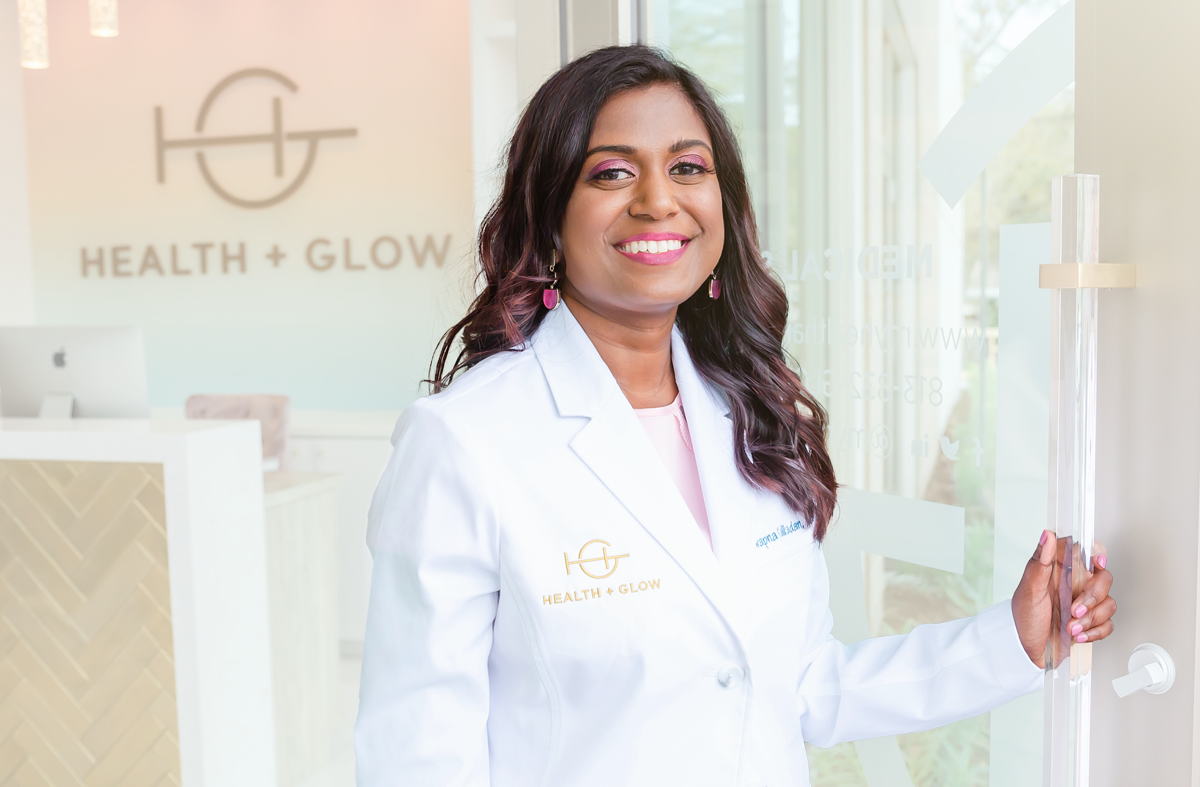
Dr. Kallikadan, a highly experienced healthcare professional with over 20 years of world experience, is known for her compassionate care and personal connections with patients. She creates comprehensive plans to help patients achieve their goals, inspiring some to travel long distances for her expertise.